

Our Team

Co-Founder, Director (she/her) Public health researcher, practitioner, and leader advancing a collectivist approach to psychedelics for community, population, and planetary health and equity. Grounded in experience as a catalyst and innovator, including contributing to the world’s first direct health impact assessment of coal trains for health, climate, and environmental justice; leading the first statewide study of local health department influence on land use and transportation development for healthy communities; and co-founding the Global Health Access Program (now Community Partners International) to deliver the first public health services to internally displaced populations in Myanmar. Guided by understanding that to transform grief, anger, and suffering, into renewal and joy requires justice and repair. She holds a DrPH from UC Berkeley and MPH from Johns Hopkins.
Heather Kuiper DrPH

Co-Founder (she/her) Nightlife harm reduction pioneer, Adjunct Professor and public health Subject Matter Expert at SUNY Potsdam, and mentor for New York State Public Health Corps. Led transformational growth as Executive Director of DanceSafe. As Principle of Healthy Nightlife, LLC, she co-founded Project #OpenTalk, partnering with Insomniac Events, Drug Policy Alliance, and Zendo Project to bring community-based drug education, sexual health, peer support, and back-of-house drug checking to the world’s largest EDM festivals. Conducted seminal research linking drug checking to behavioral intent and served on international and domestic advisory boards, including the Denver Drug Strategy Commission. She is pursuing her DrPH studies at Emory University, dedicated to advancing the field of psychedelic public health.
Missi Wooldridge MPH

Co-Founder (he/him) Medical anthropologist at the NYU School of Global Public Health. He also serves as a consultant to the World Health Organization's (WHO) Special Programme for Research and Training in Tropical Diseases (TDR). Dr. Alley’s research examines the social, cultural, and political dimensions of clinical biomedical knowledge production and intervention. He has conducted extended ethnographic fieldwork in Rio de Janeiro, Brazil. His current research investigates the re-emergence of psychedelic science within western biomedicine, its reconfiguration of epistemic frames, and its implications for public health policy and practice. He holds a PhD in Sociomedical Sciences from Columbia University and an MA from Columbia’s Mailman School of Public Health.
Chris Alley PhD

Co-Founder (she/her) Award-winning and critically acclaimed filmmaker, investigative reporter, educator, and strategic impact producer with decades of commitment to social justice through structural and systemic change. Currently, Dean’s fellow at Santa Clara University School of Law, her impact-driven work bridges law, policy, and transformative storytelling to address the legacy of the drug war and harsh sentencing policies, advocating for public health-centered solutions. With particular passion for attending to addiction, trauma, and suffering, leads movement building, strategic communications, and social impact to advance equitable access, community benefits, and harm reduction. PhD in Political Science from UC Berkeley and MS from Columbia University School of Journalism.
Katie Galloway PhD
Our Fellows
Senior Fellow & Strategic Advisor, Knowledge Mobilization (she/her) Addiction neuroscientist and knowledge mobilizer, passionate about connecting people to knowledge, community, and tools. Earned Neuroscience PhD from UCLA, led brain imaging research at the Centre for Addiction and Mental Health in Toronto. Advanced knowledge mobilization as Neuroscience Advisor at the Beckley Foundation, Knowledge Exchange Officer and Assistant Professor at the London School of Hygiene & Tropical Medicine, and Senior Knowledge Broker at the Canadian Centre on Substance Use and Addiction. Founded and directed a Detroit DanceSafe chapter, advised public health units on festival harm reduction, co-organized “From Research to Reality: Global Summit on Psychedelic-Assisted Therapies and Medicine,” served as MAPS Canada’s National Research Committee Lead, and co-chair of community association Inclusive Communities Committee (current).
Doris Payer PhD

Fellow (she/her) Program Assistant with the Onondaga County Health Department’s Maternal and Child Health Division, and pursuing her Master of Public Health (MPH) at SUNY Potsdam. Excellence in Public Health Awardee of the New York State Public Health Association and Graduate Scholar of Public Health Excellence awardee of SUNY Potsdam. With a background in political science and a passion for health equity, Hillary focuses on reproductive health, harm reduction, policy, and program planning, addressing health disparities and creating sustainable public health solutions that empower underserved populations. Through her expertise and advocacy, she strives to foster systemic change and promote community well-being.
Hillary Rabel MSPH
Fellow (she/they) Founder/Director of Queering Existentialism, a grassroots public health, community education initiative creating practical and accessible pathways to healing-centered harm reduction, transformative justice and communal secure attachment. Logina has worked as Program and Grants Manager, Health Educator, and author, at institutions such as the NYC DOHMH, on the intersections of health equity, digital equity, and reproductive justice. They hold a Masters of Public Health Policy and Management from New York University, where they focused on dismantling barriers to culturally competent care through trauma informed, intersectional approaches. Guided by the words of Jiddu Krishnamurtie - "It is no measure of health to be well adjusted to a sick society"- Logina works at the intersection of justice, care, and transformation.
Logina Mostafa MPH
Senior Fellow (she/her) Psychologist, interdisciplinary researcher; educator; consultant; clinical trial facilitator, specializing in mindfulness-based interventions, integration of altered states of consciousness and work with individuals with serious mental illness. As post-doctoral fellow at the Center for Psychedelic Drug Research and Education (OSU), led validation study of an Ecological Systems Theory modeling contextual factors in psychedelic research and study of psychedelic experience impacts on mental health for Spanish-speakers; contributed to preliminary safety study of psilocybin for PTSD in veterans. Clinical assessor to TrPR program at UCSF investigating psilocybin effects on mental health conditions (with CREST.BD group, UBC). Mindfulness-Based Stress Reduction instructor and somatic educator with doctorate from the Wright Institute and Masters in art history (CUNY) and clinical psychology, (Teachers College, Columbia University).
Meghan DellaCrosse Psy.D.
Fellow (she/her) Public health researcher and epidemiologist with experience in environmental epidemiology, maternal and child health, and psychedelic science. Climate Health Research Associate, University of Alaska, Anchorage, and former Epidemiologist, Alaska Department of Health and Tobacco Research Program Manager, Johns Hopkins University School of Medicine. Work includes rural–urban differences in psychedelic risk perception and policy, clinical trial methodology for psychedelic-assisted therapy, public health and harm reduction education, and the population health impacts of wildfire smoke in Alaska. Passionate about leveraging data to advance equitable, evidence-based health policy.
Melissa Bradley MPH
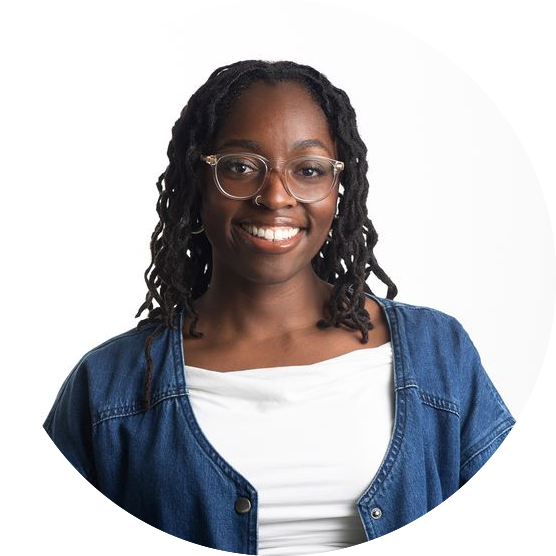
Fellow (she/her) Marketing strategist and researcher, passionate about dismantling dominant narratives around holistic health and psychedelics that often restrict access for communities who could benefit most from their healing potential. She holds a joint master’s degree in Psychology and Social Policy from Princeton University, focused on the intersections of cognitive development, social systems, and community care. Currently a marketing strategist at Bellweather Agency, where she creates campaigns and messaging strategies for social-impact organizations, with emphasis on the healthcare, arts, and civic sectors. Past partners include the 988 Suicide & Crisis Lifeline, NYC Votes, and Brooklyn Public Library, now partnering to shape justice-centered communications around cannabis policy.
Asana Okocha MA
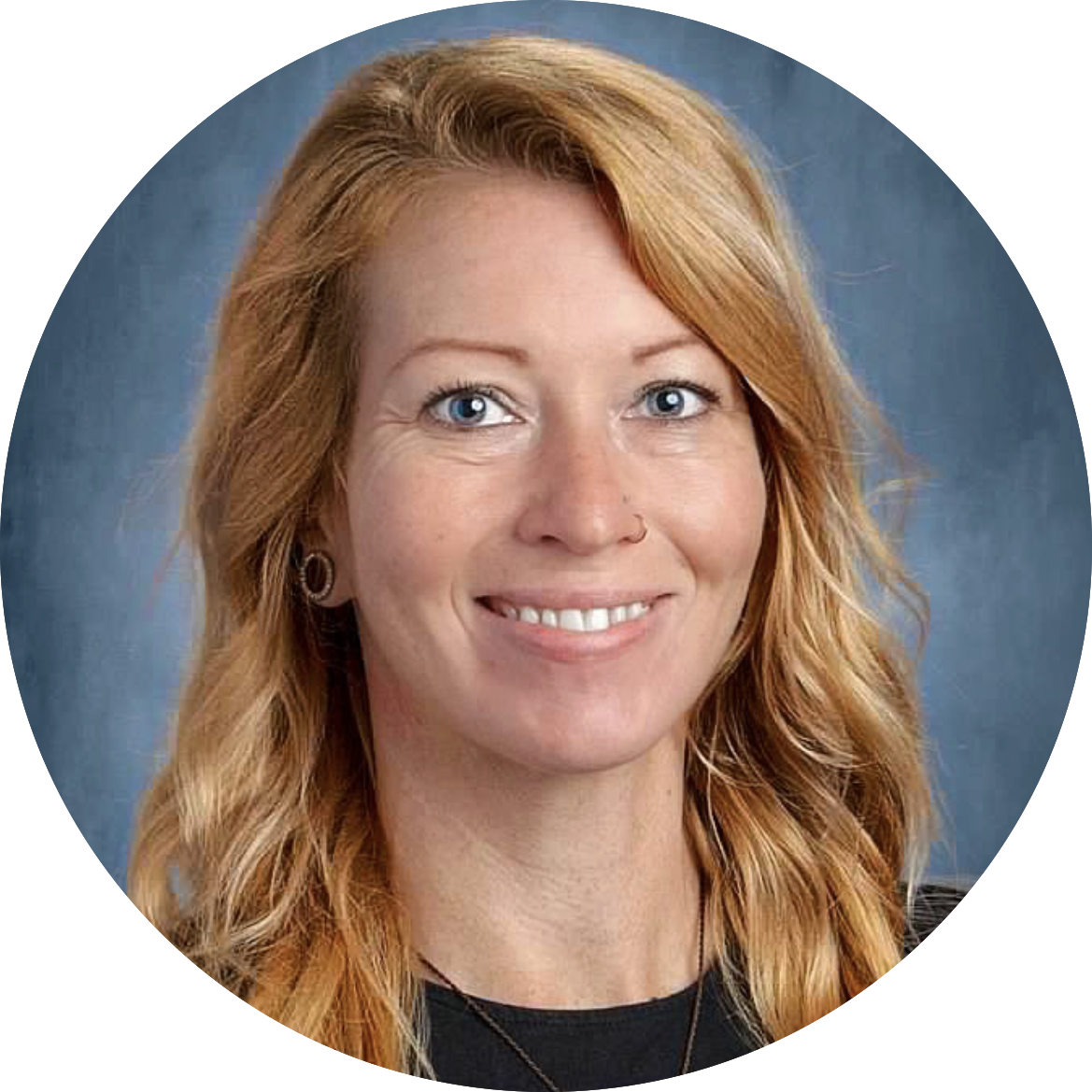
Fellow (she/her) High School Health Educator licensed in Health, Psychology, and Art, with a Doctorate in Prevention Science and an MS in Human Services Administration from Wilmington University. Extensive experience in behavioral health, including developing, marketing, and managing substance use and mental health treatment programs. Co-founder of TE Recovery, a certified and accredited recovery house program. Her published research, Healing the Root Cause: Classic Psychedelics as Prevention Interventions for Alcohol Use Disorder, is the first study to explore the potential of psychedelics as prevention for AUD. Research focus includes SUD/AUD prevention and treatment, harm reduction-based drug education, and trauma related to ACEs. Guided by lived experience, she is committed to expanding access to healing so individuals do not have to reach “rock bottom” to benefit from psychedelics.
Anna Lill DSocSci, MS

Fellow (she/they) Community-based researcher, policy advocate, movement strategist, facilitator, herbalist, edu-tainer, healing arts practitioner and co-founder of Cosmovisiones Ancestrales leveraging her mixed-race ancestries for peace-building. Education Developer & Trainer at Community Health Project LA and member of International Coalition on Drug Policy and Environmental Justice. Coordinated psycho-social health services in humanitarian and carceral settings, human rights monitoring, and advocacy efforts to support immigrants impacted by the U.S. detention and deportation system. Studies pluri-cultural and bio-neuro-psychopharmacological uses of traditional medicine and psychedelics to heal collective, intergenerational trauma; processes of conflict transformation and transitional justice; and prevention of ideologically-motivated violence. Students for Sensible Drug Policy '40 under 40' outstanding BIPOC Leader in Drug Policy.
Paula Kahn MPH
Technical Advisors
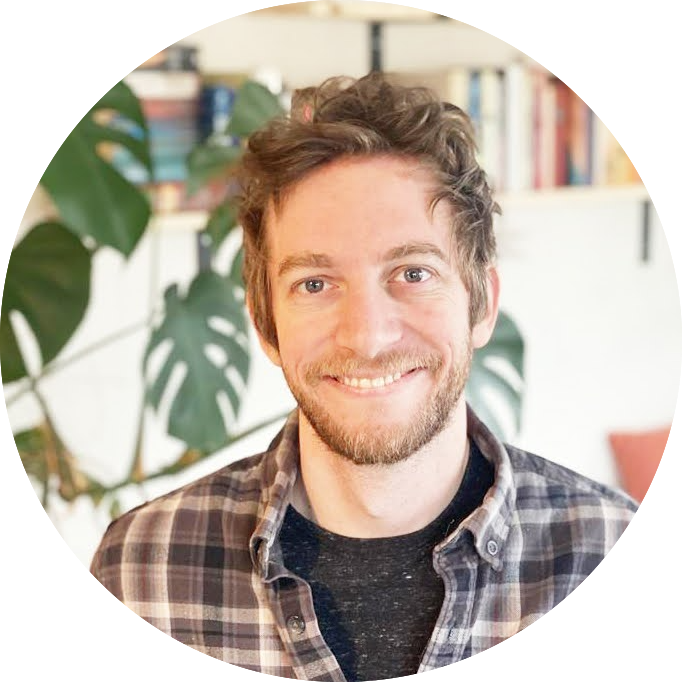
(he/him) Assistant Professor at Duke University, Department of Biostatistics & Bioinformatics and Global Health Institute. Former Director of Research, Monitoring, and Evaluation at Last Mile Health, launching the Liberia national community health program. Dr. Kenny holds a PhD in biostatistics and specializes in the design and analysis of clinical trials. He is currently launching a new research program around the use of psychedelics in global health settings, with a focus on developing a scalable and cost-effective delivery model for psilocybin-assisted therapy.
Avi Kenny PhD
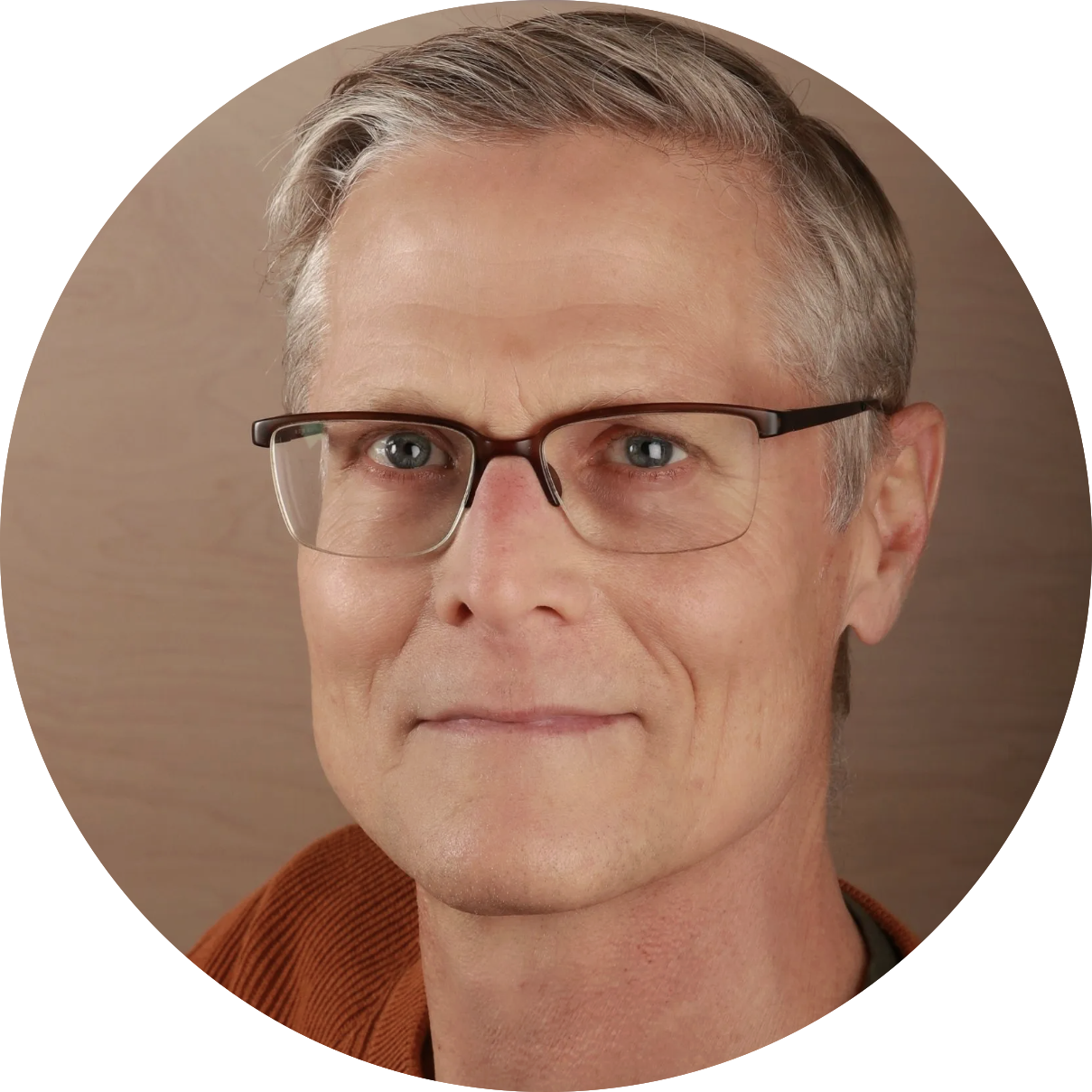
(he/him) Psychedelic and cannabis researcher; Safe access advocate, dedicated to community-based research and advocacy to overcome access barriers; Director Research and Safe Access, MAPS; Research Affiliate at the University of Michigan’s Psychedelic Center, and his studies include the coordinator and Co-PI, Canadian Psychedelic Survey 2022 and the Global Psychedelic Survey 2023/25; teaching first course on psychedelic substances and public health at University of Victoria; Recipient Americans for Safe Access Researcher of the Year Award 2021.
Philippe Lucas PhD
(he/him) Family Physician. Psychedelic Psychotherapist. Primary Care and Mental Health Integrator; Founder Canopy Family Care; Executive Committee and Chair of Economic Impact for the Maryland Task Force on Responsible Use of Natural Psychedelic Substances. Committed to whole-person care, medical discovery, and expanding the intersection of public policy, health information technology, and primary care innovation.
JosepH Nichols MD, MPH
(he/him/they/them) Co-Founder and Executive Director of PRISMA (Puerto Rico Institute for Psychedelic Science, Medicine and Awareness). Mr. Vélez Rodríguez holds MS’s in Epidemiology and Data Science. Authored the first epidemiological study on psilocybin-containing mushroom consumption in Puerto Rico and founded the island's first chapter of Students for Sensible Drug Policy. His research spans psychedelic public health, harm reduction, and science communication, focusing on advancing evidence-based policy in Puerto Rico. He is a veteran, Sergeant, of the United States Marine Corps, Landing Support Specialist .
Jean Velez, MS
Our Advisory Board
(they/them) A white, queer, trans, genderqueer, neuroqueer, disabled naturopathic primary care physician, midwife, sexual assault examiner, trans health advocate, harm reductionist, prison abolitionist, health and racial justice activist. Served as Program Manager for the initial rollout of Oregon’s Measure 110 at the Oregon Health Authority and co-created the Marie Equi Institute, now Center, for queer and transgender health advocacy. Served as founder and chair emeritus for the OHSU Transgender Health Program Community Advisory Board, Vice-chair and Chair of the Oregon Psilocybin Advisory Board, as medic, station lead, community-based harm reductionist with Burning Man Emergency Services and Queerdome, and as peer supervisor for Fireside Project. MAPS-trained MDMA assisted psychotherapy and psychedelic facilitation curriculum developer for Alma Institute, Columbia University, and Naropa University.
Angela Carter, ND

(she/her) Founder and Executive Director the People of Color Psychedelic Collective (POCPC), the Project on Psychedelics Law and Regulation (POPLAR) Affiliated Researcher, 2022 Soros Justice Fellow, and member of the Federal Policy Guidelines for Psychedelics Working Group led by Healing Equity and Liberation. Dedicated to educating and building community with people of color interested in psychedelics and ending the war on drugs. Growing up with her father in prison brought her to drug policy reform work at the Drug Policy Alliance (DPA), curating the psychedelic track for the International Drug Policy Reform Conference and co-creating the LGBTQ+ working group. Authored “Why the Psychedelic Community Is So White” (Psymposia, 2016), named a 30 under-30 Caribbean Changemaker by Ignite Caribbean and awarded Smith College’s Outstanding Student Leader of the Year, moving the world to a caring system from a carceral one.
IÌfẹ́táyọ̀ Harvey

(she/her) Doctor of Public Health (DrPH) candidate at the University of California, Berkeley and Indigenous scholar at the Berkeley Center for the Science of Psychedelics. Member of the Colorado Natural Medicine Tribal Working Group and contributor to the Substance Abuse and Mental Health Services Administration (SAMHSA). She specializes in the intersection of Indigenous knowledge, psychedelic science, and mental and community health and policy, focused on culturally informed frameworks that integrate traditional healing practices with modern public health approaches. Through collaboration with tribal leaders, public health officials, and research institutions, she advances equitable and culturally grounded approaches to psychedelic science, policy, and practice, playing a key role in tribal engagement, regulatory discussions, and educational programming to foster ethical and community-driven approaches. She holds a Master’s in American Indian Studies-Indigenous Rights and Social Justice from Arizona State University.
Marlena Robbins, DrPHc

(she, her) Medical lead for the Roots To Thrive Program, founding Board Member of the Psychedelic Association of Canada, and the Medical Chair of the Vancouver Island University Post Graduate Certificate in Psychedelic Medicine Assisted Therapy. Also Assistant Clinical Professor at University of British Columbia, Adjunct Professor at VIU, and Co-Founder and Scientific and Medical Advisor for MycoMedica Life Sciences. Researching psilocybin, MDMA, ketamine, frontline health care workers, and community healing, she is co-investigator on the largest microdosing study, Microdose.me. As a researcher, physician, and human, she is dedicated to nature, science, community, and the transformative potential of the two-eyed seeing approach, community-based work, and the therapeutic potential of psychedelics so that all people can thrive. She currently resides in the traditional unceded territory of the Klahoose First Nations.
Pam Kryskow, MD

(she/her) Co-founder of the Reciprocity Foundation, an award-winning holistic community healing space for BIPOC/LGBTQ trauma survivors. A nonprofit leader, strategic impact consultant, healer, trauma therapist, and ecological ceremonialist grounded in the belief that all leadership and growth is about heart. An Echoing Green Fellow seasoned in movement building, restorative economics, and grassroots healing, she currently supports nonprofits, BIPOC leaders, and Grant-Making Foundations. Deeply influenced by her family’s forced trans-continental migrations, the loss of ancestral belonging, and the need to heal her family constellation, Tagore is also the author of See Me: Transforming New York City’s Homeless Youth and Season of Thanks, which are dedicated to healing, community-building, and gratitude. She holds two Bachelor’s degrees in Earth and Healing Science, and an MBA from Harvard Business School.
Taslim Tagore MBA

(she/her) District Chief in Akwesasne, and public safety dispatcher who has served nearly 30 years as youth and First Nations dental care advocate and public health facilitator at Kanonhkwa’tsheri:io, the Akwesasne Dental Clinic. Facilitates health education and empowers individuals to take charge of their health through policy and program interventions. Drawing from a lineage of maternal wisdom and commitment to kindness, including as mother and grandmother, she has dedicated her life to serving and educating for health among underserved areas and populations, deploying interdisciplinary tools, collaboration, and partnership to surface and address the mental, physical, and spiritual implications of health and healthcare access. Master of Public Health candidate at SUNY, Potsdam,
Theresa Adams MSPHc

(she/her) is a first-generation Central American and harm reduction researcher advocate, and community outreach worker. She works with Drug Checking For the People as part of Remedy Alliance For the People standing up drug checking programs across the Americas. Previously, she served as the Drug Checking Manager and City Research Scientist with the New York City Department of Health and Mental Hygiene, where she implemented the first higher-technology drug checking program across New York City. She is Director of the New York City Psychedelic Society, is on the Boards of the Tennessee Recovery Alliance, Source Research Foundation, and Psymposia and is an organizer with the Urban Survivors Union and the Alliance for Collaborative Drug Checking. She received her Master of Science in Public Health in Health Policy at the Johns Hopkins Bloomberg School of Public Health.
Yarelíx Estrada, MSPH
(he/him) Founding partner of Vicente LLP, co-authored Colorado's Proposition 122, the Natural Medicine Health Act, and served as chair of the campaign committee for Natural Medicine Colorado. Contributing author of Colorado's Amendment 64, the first state measure to legalize cannabis for all adults. Founding member of the Microdosing Collective (board) and the Psychedelic Bar Association, International Cannabis Bar Association (board), and founder of Simplifya. Recognized by his peers in Best Lawyers in America for his work in cannabis law, and repeatedly named one of "Denver's Top Lawyers" by 5280 Magazine. He brings a passion for helping entrepreneurs and visionaries build human-centric and regenerative companies in the cannabis and psychedelic industries. Enthusiastic about policy, he also loves helping advocates draft legislation and build sustaining vehicles that will forever influence these emerging industries.
Joshua Kappel, JD
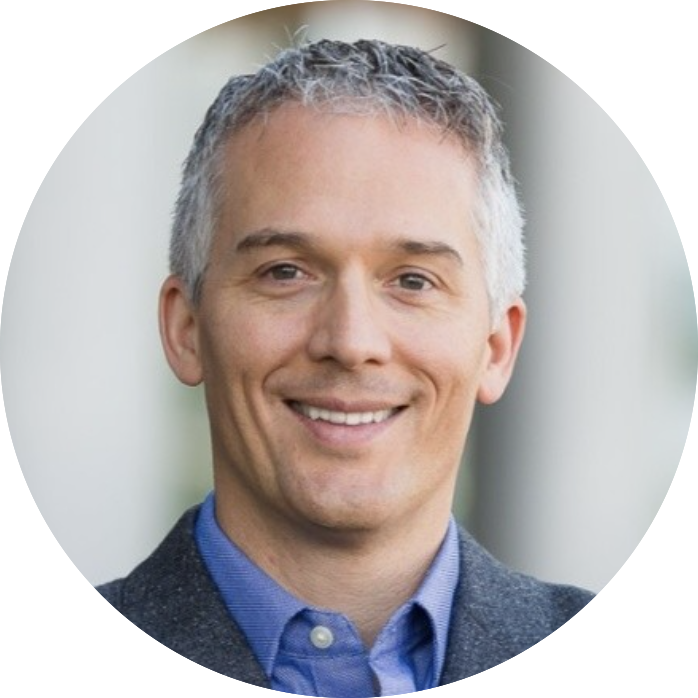
(he/him) Leader in the British Columbia Ministry of Health in public health policy development and program planning for nearly 20 years, with focus on mental health, substance use and addiction. Currently Adjunct Professor in the School of Child & Youth Care and Collaborating Scientist with the Canadian Institute of Substance Use Research at the University of Victoria. Doctoral research developed the concept of “entheogenic education,” a theoretical frame for understanding how psychedelic plants and substances can function as cognitive tools for learning as well as catalysts for healing. Former appointee to the Canadian delegations of United Nations international drug policy meetings. Currently engaged by psychedelic studies; the cross-cultural and historical uses of drugs; public, professional and school-based drug education; creating healthy public policy to maximize benefits and minimize harms from psychoactive substances.
Kenneth Tupper, PhD